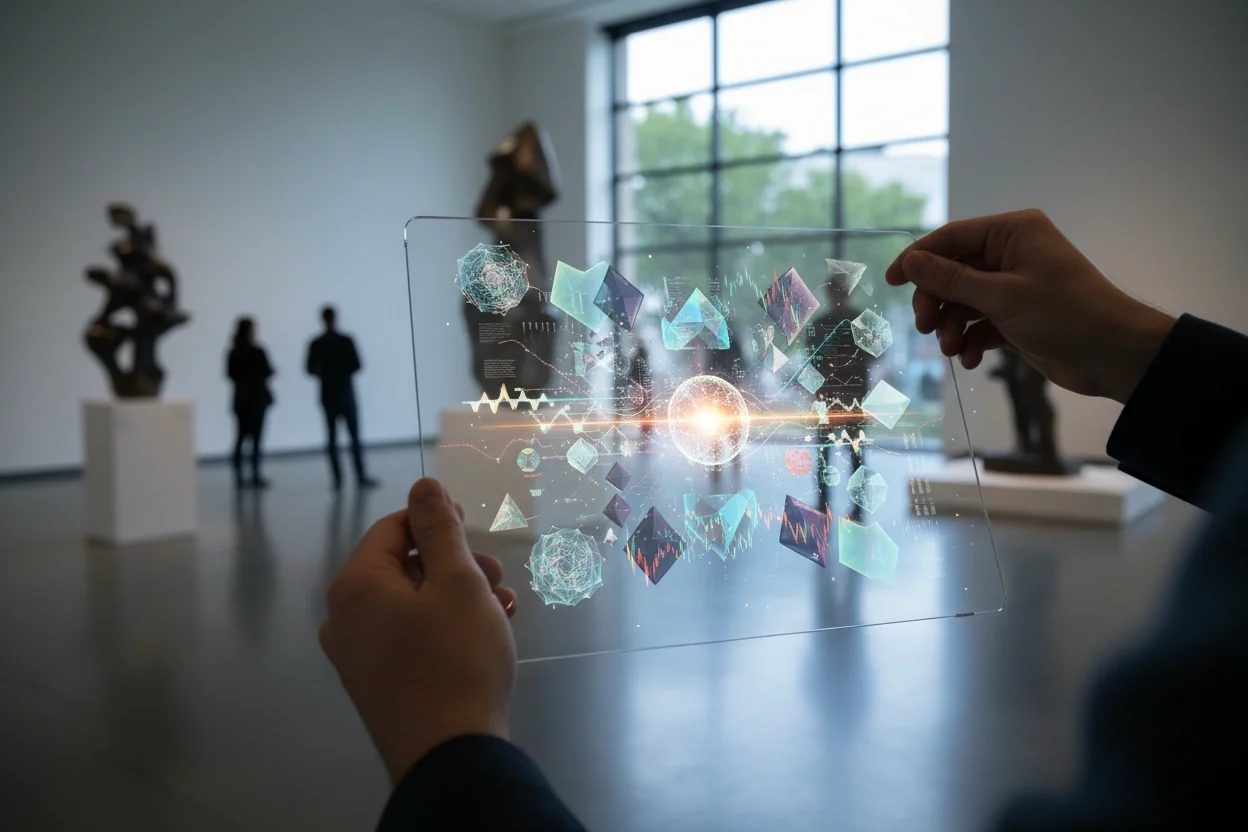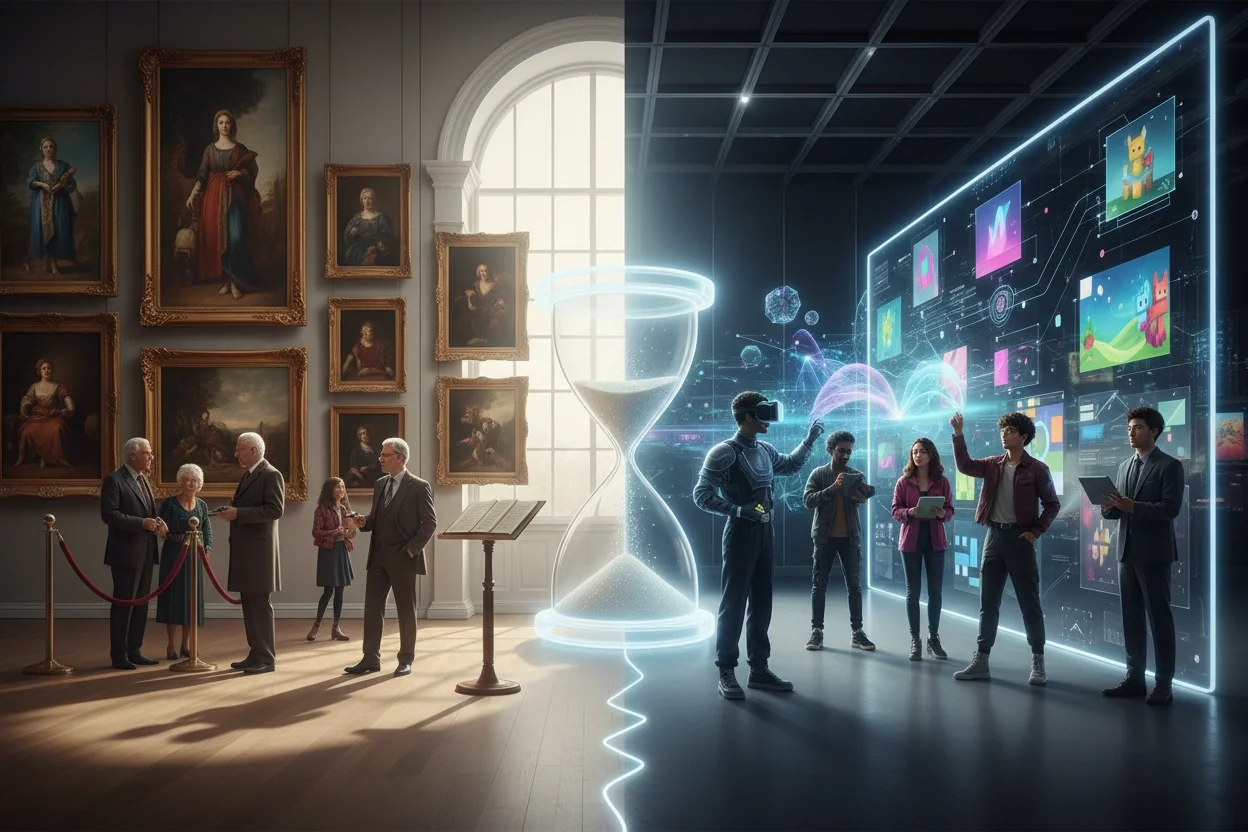
The rise of Non-Fungible Tokens (NFTs) has revolutionized the way we perceive and engage with art. As of 2026, the NFT market has not only carved out a unique space within the broader art landscape but has also introduced new dynamics that differentiate it significantly from traditional art markets. This article delves into a comprehensive NFT market analysis, contrasting it with the conventional art market, highlighting key differences, and providing actionable insights for potential investors. NFT investment tips.
Understanding the NFT Market

NFTs are digital assets that represent ownership of unique items or content, secured on a blockchain. This technology allows for verifiable scarcity and ownership, distinguishing NFTs from traditional digital art that can be easily copied. The NFT market has exploded in recent years, attracting artists, collectors, and investors alike, drawn by the potential for high returns and the democratization of art ownership.
Key Characteristics of NFTs
NFTs have distinct characteristics that set them apart from traditional art:
-
Digital Ownership: NFTs offer a proof of ownership that is tamper-proof and publicly accessible via blockchain technology.
-
Scarcity and Provenance: Each NFT is unique or part of a limited series, providing inherent scarcity. Additionally, the blockchain tracks the provenance of each piece, ensuring transparency regarding its history and ownership.
-
Interactivity and Utility: Many NFTs offer more than just ownership; they can include interactive elements, such as virtual reality experiences or access to exclusive content, adding layers of value.
The Growth of the NFT Market
The NFT market has seen exponential growth, particularly during 2021 and 2022, with sales reaching billions of dollars. This surge was driven by high-profile sales, celebrity endorsements, and a growing acceptance of digital art. As we analyze the current state of the NFT market in 2026, it’s clear that while the hype has stabilized, the market has matured with a focus on utility and community building.
Traditional Art Market Overview
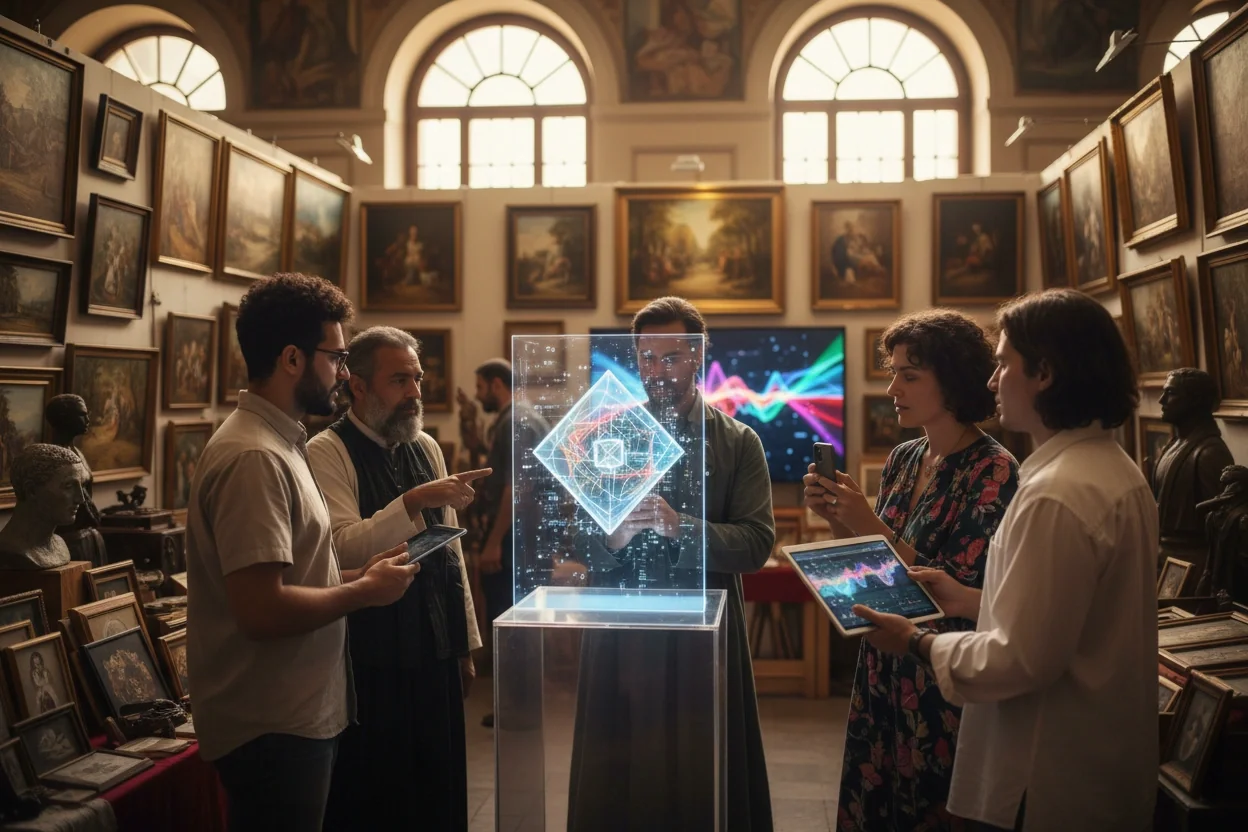
The traditional art market is characterized by established practices, institutions, and a long history of trading physical artworks. This market includes galleries, auction houses, and art fairs that connect artists with collectors and investors.
Key Characteristics of Traditional Art
-
Physical Ownership: Traditional art involves tangible pieces that can be displayed and appreciated in physical spaces, which often adds to their allure.
-
Historical Context: The value of traditional art is often influenced by historical significance, artist reputation, and market trends.
-
Gatekeeping: The traditional art market can be exclusive, with established galleries and auction houses often controlling access to high-value pieces.
The Structure of the Traditional Art Market
The traditional art market operates through various channels, including:
-
Galleries: These venues represent artists and provide a space to showcase their work, often taking a commission on sales.
-
Auction Houses: Prestigious auction houses like Sotheby’s and Christie’s facilitate sales of high-value artworks, attracting wealthy collectors.
-
Art Fairs: Events like Art Basel bring together galleries and collectors, providing a platform for networking and sales.
Key Differences Between NFT and Traditional Art Markets
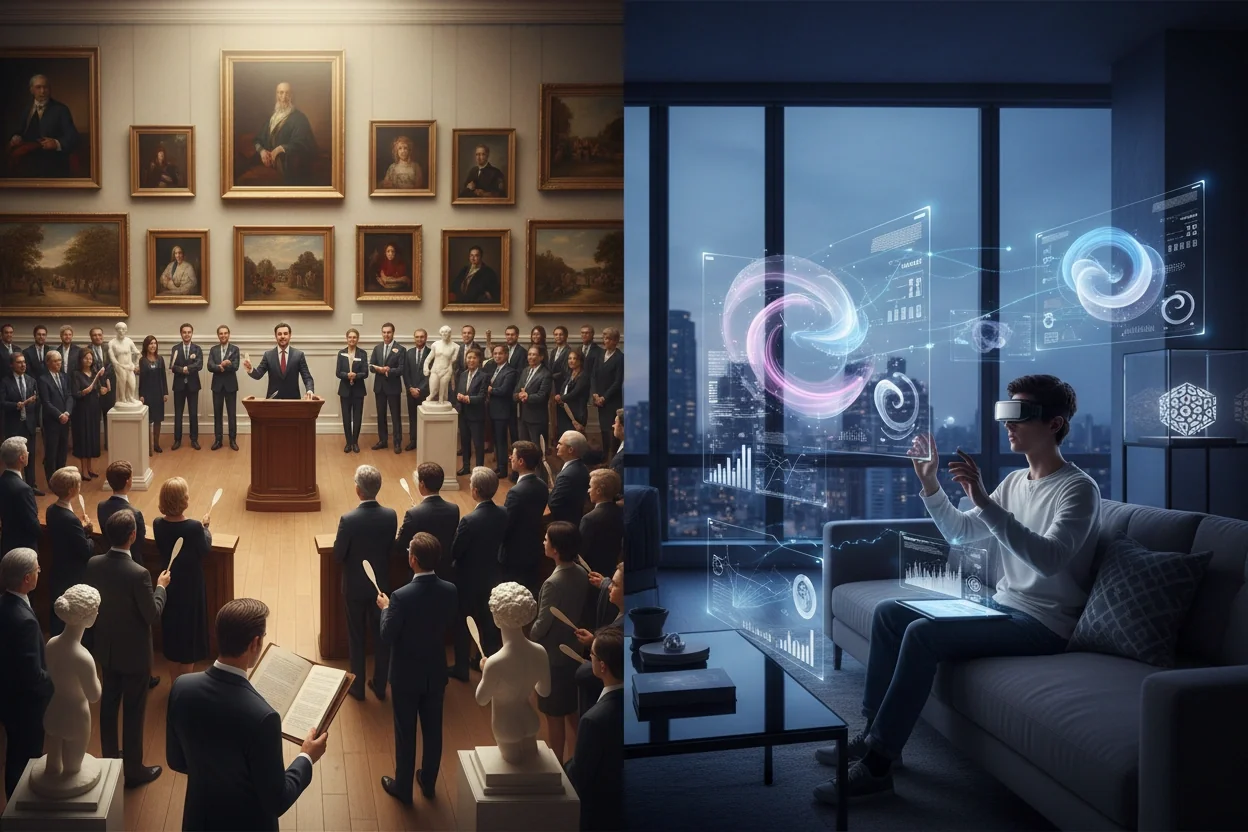
While both markets share the goal of connecting artists with collectors, they operate under vastly different principles and structures. Below are the primary differences highlighted through an NFT market analysis.
Accessibility and Democratization
-
NFTs: The NFT market is highly accessible, allowing artists to sell directly to collectors without the need for galleries or intermediaries. This democratization empowers emerging artists and provides opportunities for a global audience.
-
Traditional Art: The traditional market is often limited to established artists who have connections with galleries or auction houses. Newer artists may struggle to gain visibility and access to these channels.
Valuation Metrics
-
NFTs: The value of NFTs is often driven by community engagement, rarity, and the potential for future utility. The speculative nature of the market can lead to rapid price fluctuations.
-
Traditional Art: Traditional art valuation relies heavily on historical significance, artist reputation, and comparable sales data. The market is more stable but can be slow to respond to trends.
Transaction Mechanisms
-
NFTs: Transactions occur on blockchain platforms, allowing for instant ownership transfer and often lower fees compared to traditional art sales. The use of smart contracts can automate royalty payments to artists on secondary sales.
-
Traditional Art: Sales typically involve more complex processes, including negotiations, commissions, and potential legal considerations surrounding ownership transfer.
NFT Investment Tips
As interest in the NFT market grows, potential investors should consider the following tips to navigate this new landscape effectively. NFT investment strategies.
Research the Market
-
Investigate different NFT platforms and the types of art they host. Platforms like OpenSea, Rarible, and Foundation each have unique features and artist communities.
-
Follow industry news and trends to stay updated on emerging artists and changing market dynamics.
Diversify Your Portfolio
-
Just as with traditional investments, diversification can mitigate risk. Consider investing in a variety of NFT types, including digital art, music, virtual real estate, and collectibles.
-
Engage with different artists and communities to broaden your understanding and investment opportunities.
Evaluate the Community
-
Assess the community surrounding an NFT project. Community engagement often indicate a greater potential for value appreciation.
-
Look for projects that offer utility beyond mere ownership, such as access to exclusive events or experiences.
Case Studies of Successful NFTs
Examining successful NFT projects provides valuable insights into what drives value and interest in this market. Here are a few noteworthy examples:
Beeple’s “Everydays: The First 5000 Days”
Beeple, a digital artist, sold an NFT of his work for a staggering $69 million at Christie’s in March 2021. This sale marked a significant moment in the NFT market, showcasing the potential for digital art to achieve monumental valuations.
Bored Ape Yacht Club
The Bored Ape Yacht Club is a collection of 10,000 unique ape NFTs that has become a cultural phenomenon. The project offers exclusive membership benefits, including access to events and collaborations, driving demand and community engagement.
CryptoPunks
CryptoPunks are one of the earliest NFT projects, featuring 10,000 unique 24x24 pixel art characters. Their historical significance and rarity have made them highly sought after, with some selling for millions of dollars.
Common Misconceptions About NFTs
Despite the growing interest in NFTs, several misconceptions persist. Understanding these can help investors make informed decisions.
NFTs Are Just a Fad
While the initial hype may have cooled, the underlying technology and potential applications of NFTs continue to evolve. Many projects are now focusing on utility and community, indicating a shift towards sustainable growth.
NFTs Are Only for Digital Art
NFTs extend beyond digital art into various domains, including music, gaming, virtual real estate, and even domain names. This versatility presents numerous investment opportunities across different industries.
The Future of the NFT Market
As we look ahead, the NFT market is expected to continue evolving. Key trends likely to shape the future include:
-
Integration with Traditional Markets: As acceptance grows, we may see more traditional art institutions embracing NFTs, creating hybrid models that combine physical and digital art.
-
Increased Regulation: As the market matures, regulatory frameworks may emerge to protect investors and artists, fostering a more secure environment for transactions.
-
Enhanced Utility: Future NFTs may incorporate more interactive and practical applications, enhancing their value beyond mere collectibles.
Navigating the NFT Landscape with Edge Of
The analysis of the NFT market compared to traditional art markets reveals significant differences that impact how investors and collectors engage with art. Understanding these dynamics is essential for making informed decisions in this rapidly evolving space.
As the NFT market continues to grow and mature, Edge Of is committed to providing insights and resources that empower you to navigate these changes effectively. Whether you are a seasoned investor or new to the space, our expertise can help you leverage the opportunities within the NFT market.
To explore more about how you can benefit from our insights and resources, visit Edge Of today.
Subscribe to our newsletter!
Get exclusive insights into the ever-evolving worlds of Web3, along with exciting previews of upcoming projects and giveaways. Engage with the future today.
Share this article: